
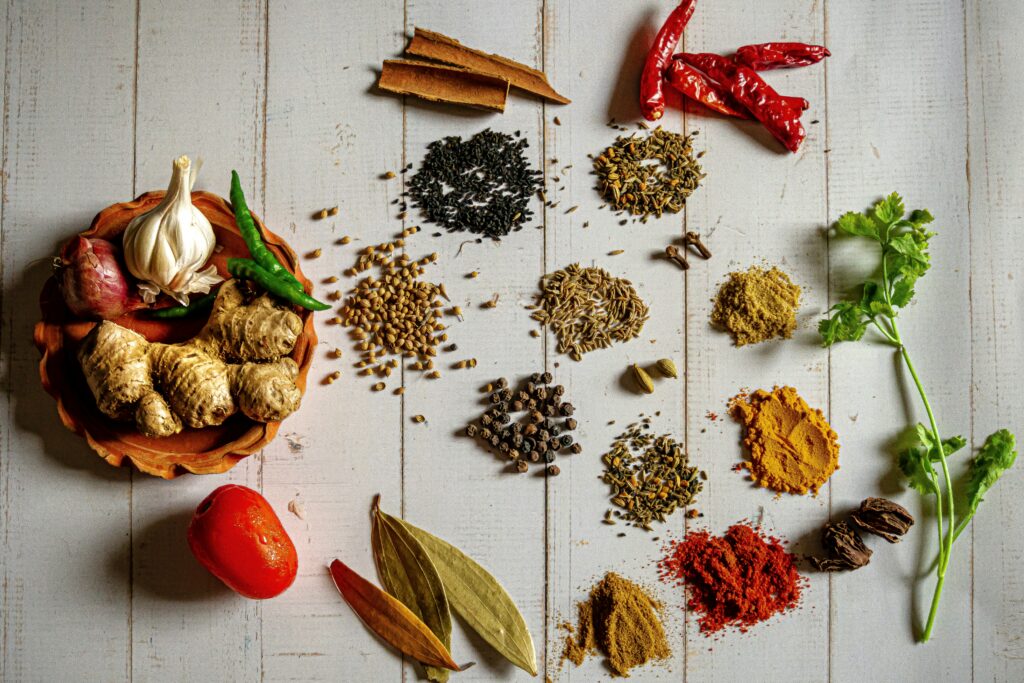
Every year on June 10th, food lovers celebrate National Herbs and Spices Day — a small but perfectly timed reminder to open your kitchen cabinets and take a hard look at what’s actually in there.
Thank you for reading this post, don't forget to subscribe!If your spice shelf is a graveyard of half-empty jars and mystery powders that haven’t been touched since 2021, you’re not alone. Most home cooks work with fewer than ten spices regularly, even though a well-stocked cabinet can completely change what you’re able to cook.
This guide will walk you through everything you need to get your spice cabinet sorted, stocked, and actually useful — no culinary degree required.
Why Your Spice Cabinet Is More Important Than You Think
Here’s the thing about spices: they’re the difference between food that’s fine and food that’s genuinely good.
A basic chicken breast seasoned with salt and pepper is perfectly edible. The same chicken breast with smoked paprika, garlic powder, cumin, and a pinch of cayenne? That’s a meal people ask for again.
Spices don’t just add heat — they add depth, complexity, and character. They’re also what allows you to cook across different cuisines without needing an entirely different pantry. The same shelf can take you from a Moroccan-inspired tagine to a classic Italian pasta to a smoky Texas-style chili, all in the same week.
The 15 Spices Every Kitchen Should Have
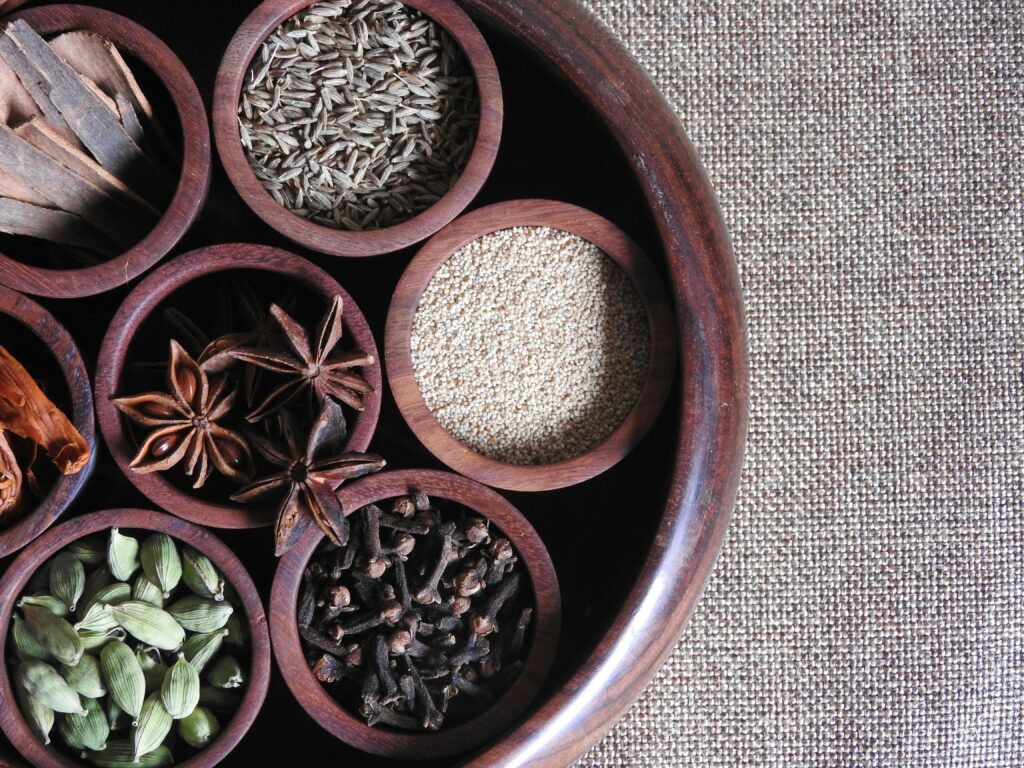
If you’re starting fresh or doing a full reset, here’s a practical starter list that covers the widest possible range of cooking styles:
The Essential Everyday Spices:
- Cumin — earthy and warm; essential for Mexican, Indian, and Middle Eastern dishes
- Smoked Paprika — adds depth and a gentle smokiness to almost anything savory
- Turmeric — bright, slightly bitter; great for curries, rice, and golden milk
- Garlic Powder — a reliable shortcut when fresh garlic isn’t available
- Cayenne Pepper — your go-to for controlled heat
- Cinnamon — works equally well in baked goods and savory meat dishes
- Black Pepper — buy whole peppercorns and grind fresh whenever possible
Dried Herbs Worth Keeping:
- Oregano — a backbone of Italian and Greek cooking
- Thyme — subtle and earthy; excellent in soups, roasted meats, and sauces
- Rosemary — piney and aromatic; perfect with potatoes, lamb, and focaccia
- Bay Leaves — added whole to slow-cooked dishes and removed before eating
For a More Interesting Shelf:
- Cardamom — floral and citrusy; used in chai, Scandinavian baking, and Middle Eastern rice
- Coriander — the seed form of cilantro; nutty and citrusy, great in spice blends
- Chili Flakes — adjustable heat for pasta, pizza, and stir-fries
- Allspice — tastes like cinnamon, cloves, and nutmeg combined; essential in Jamaican jerk
How to Organize Your Spice Cabinet So You’ll Actually Use It
Having the right spices is only half the battle. If you can’t find them quickly, you won’t use them — and they’ll sit there going stale.
Three organization methods that actually work:
- Alphabetical — Simple and intuitive. Works best if you have a wide variety and use them all roughly equally.
- By Cuisine — Group your Italian spices together, your Indian spices together, your baking spices together. Ideal if you tend to cook within specific traditions.
- By Frequency — Keep your most-used spices at eye level and front-and-center. Push the rarely-used ones to the back or upper shelves.
There’s no single right answer. The best system is the one you’ll actually maintain.
Spice Storage Tips That Keep Flavors Fresh
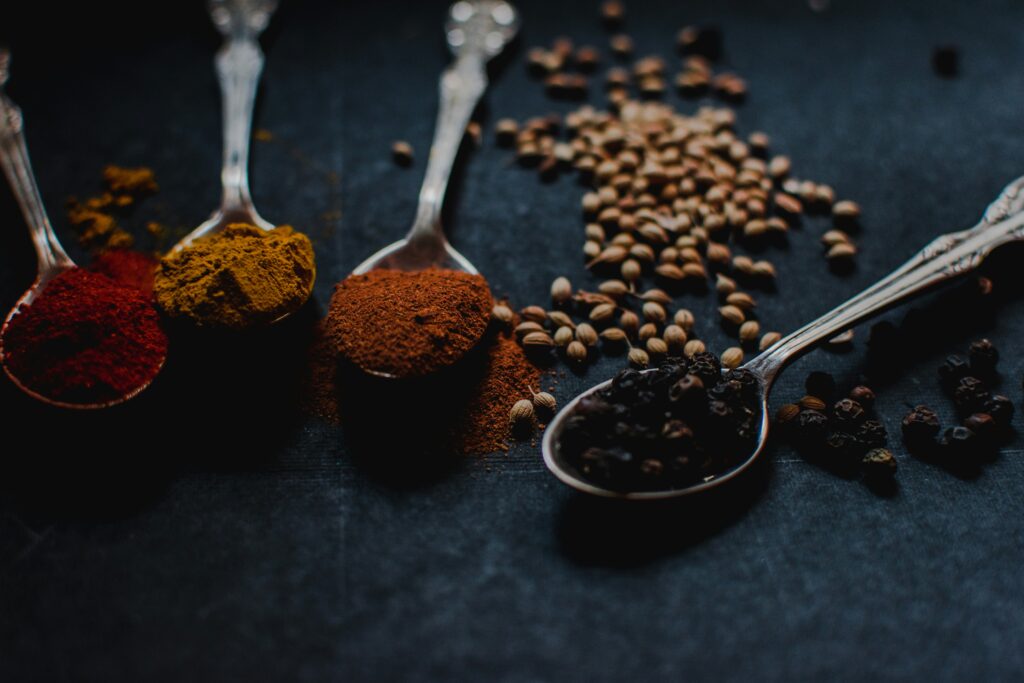
Spices don’t expire in a way that makes them unsafe to eat — but they absolutely lose their potency over time. Here’s how to slow that process down:
- Store spices in airtight glass or tin containers — they protect better than loose lids or plastic bags
- Keep your cabinet away from the stove — heat and steam are the two biggest enemies of spice freshness
- Avoid the cabinet above the refrigerator — warm air from the motor rises and degrades spices faster
- Label jars with the purchase date so you know when it’s time to replace them
- Do a sniff test before cooking — if a spice barely smells like anything, it’s past its prime
General shelf life to keep in mind:
- Ground spices: 2–3 years
- Whole spices: 3–4 years
- Dried herbs: 1–2 years
Helpful Tips for Cooking with Herbs and Spices
- Toast whole spices in a dry pan for 30–60 seconds before grinding — it brings out their oils and intensifies flavor noticeably
- Add robust dried herbs like thyme, rosemary, and bay leaves early in cooking so they have time to infuse
- Add delicate dried herbs like basil and dill toward the end of cooking to preserve their brightness
- When substituting dried herbs for fresh, use one-third the amount — dried herbs are significantly more concentrated
- Make your own simple spice blends — a taco mix, a curry powder blend, a roasting rub — and store them in labeled jars for fast weeknight cooking
Frequently Asked Questions
Q: How do I know when a spice has gone bad? A: Give it a sniff. If the aroma is faint or almost gone, the spice has lost most of its essential oils and won’t contribute much flavor. It’s still safe to use — just not very effective.
Q: Should I buy whole spices or pre-ground? A: Whole spices stay fresh longer and offer more flavor when freshly ground. If you cook regularly, a small spice grinder is a worthwhile investment. Pre-ground works well for everyday use and is perfectly practical for most home cooks.
Q: What’s the difference between herbs and spices? A: Herbs come from the leafy green parts of plants — basil, thyme, rosemary. Spices come from other parts like seeds, bark, roots, and fruit — think cumin, cinnamon, and turmeric. Some plants give us both: coriander seeds and cilantro leaves come from the same plant.
Q: Can I freeze fresh herbs? A: Yes, and it works really well. Wash and dry them thoroughly, freeze flat on a baking sheet, then transfer to a freezer bag. You can also blend them with olive oil and freeze in ice cube trays for easy, portion-sized use.
Q: How many spices does the average home cook actually need? A: You can cook a genuinely impressive variety of dishes with 12–15 well-chosen spices. Start there, and add more as your cooking style and recipe interests grow.
Conclusion
National Herbs and Spices Day is the perfect excuse to give your spice cabinet the attention it deserves. A little time spent organizing, restocking, and understanding what you actually have can transform your everyday cooking in ways that feel almost disproportionate to the effort.
Start with the 15 essentials, organize in a way that fits how you cook, store everything properly, and commit to actually using what you have. Your future meals will taste noticeably better — and that’s a pretty great return on a Saturday afternoon project.