
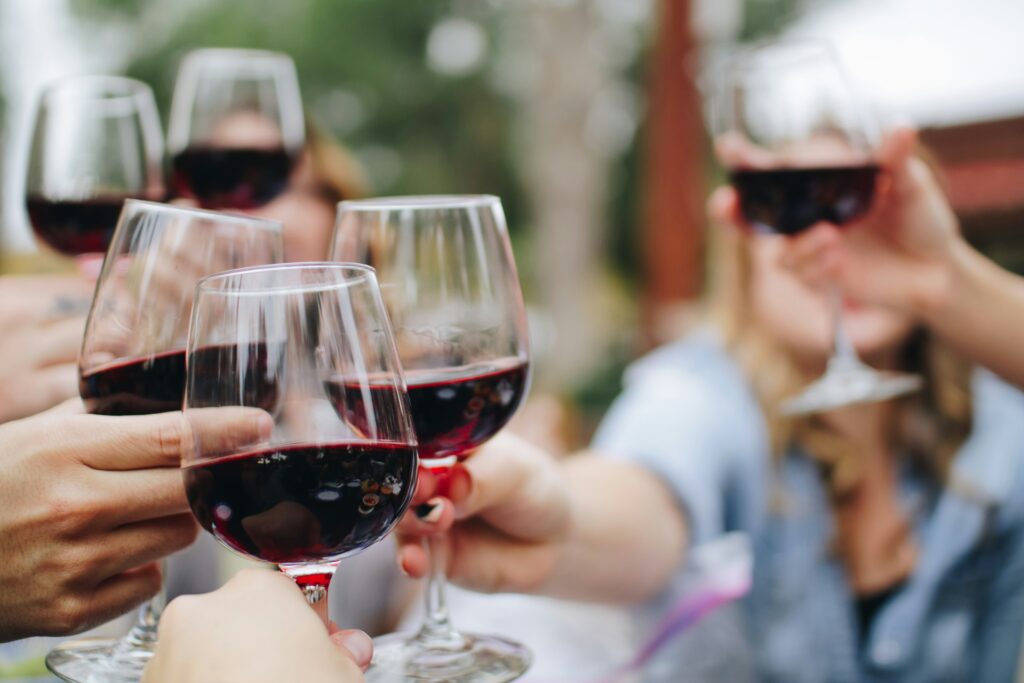
National Wine Day, celebrated on May 25th each year, is one of those food holidays that lands differently depending on where you are in life. For some people it’s a reason to open something special. For others it’s just another Tuesday with wine.
Thank you for reading this post, don't forget to subscribe!But there’s a growing movement among wine drinkers that’s reshaping how people think about wine entirely: drinking less, but spending more on the bottles they actually open. This isn’t about cutting back reluctantly. It’s about a genuine shift toward quality over quantity — and the people who make this change almost universally say their enjoyment of wine increases dramatically.
Here’s why it works, and how to do it.
The Simple Logic Behind Drinking Less and Spending More
Think about the last time you really paid attention to a glass of wine. Not just drank it — but actually noticed the color, the smell, the flavor, the way it felt in your mouth, how the taste changed from the first sip to the last.
That experience is what wine is actually for. And it happens far less often when you’re pouring freely from a cheap bottle out of habit.
When you choose fewer but better bottles, a few things happen naturally:
You actually taste what’s in your glass. A well-made wine at $35 doesn’t just taste a little better than a $10 bottle — it often tastes categorically different. More complex. More layered. More interesting to pay attention to.
Your enjoyment per glass increases substantially. This is the core math of the “drink less, spend more” approach. If you buy three $10 bottles a week, you’re spending $30 on wine you’re barely tasting. One thoughtfully chosen $30 bottle, shared slowly over dinner with real attention, likely delivers more actual enjoyment.
Moderation becomes a positive experience rather than a restriction. Most health professionals suggest that drinking less alcohol is generally beneficial. Framing that reduction around upgrading what you drink makes it feel like a gain rather than a loss.
Where Wine Quality Actually Changes with Price
One of the most practical questions for any wine buyer is: at what price point does spending more actually make a noticeable difference? Most wine educators and sommeliers tend to agree on a few key thresholds.
Under $12: Wine at this price is typically produced in large volumes for consistent mass-market appeal. It’s drinkable, but rarely memorable or complex. Fine for cooking or casual background drinking.
$15–$25: This range is where quality begins noticeably improving. You’ll find genuine regional character, better fruit quality, and wines with some complexity worth paying attention to. Spain (Rioja, Garnacha), Portugal (Alentejo), and southern France (Languedoc, Côtes du Rhône) offer particularly strong value here.
$25–$50: This is where the “drink less, spend more” philosophy pays off most meaningfully. In this range you’re accessing wines with real depth, careful winemaking, and the kind of complexity that rewards a slower pace and a proper conversation over dinner. A bottle shared thoughtfully at this price point is a fundamentally different experience from getting through a cheap bottle while distracted.
$50 and above: These can be extraordinary, but the quality-to-price ratio becomes less predictable. You’re increasingly paying for scarcity, reputation, and prestige alongside quality. For most home drinkers, the $25–$50 tier offers better value per dollar of actual enjoyment.
How to Find Better Wine Without Being an Expert
Talk to someone who works at a wine shop. This is genuinely the most underused resource available to wine drinkers. A good wine shop employee can take your budget, your taste preferences, and what you’re planning to eat, and find you something you wouldn’t have discovered on your own.
Explore lesser-known regions. Famous wine regions charge premiums partly because of name recognition. Exceptional wine is being produced in relative obscurity in places like Greece (Assyrtiko, Xinomavro), Jura in France, the Canary Islands, and South Africa’s Swartland region — all at prices that would be far higher if they carried more famous labels.
Learn a few trusted producer names. Within any wine region, there are producers who work with exceptional care and those who simply maximize volume. Knowing even three or four reliable producer names in your favorite regions gives you a confident foundation for choosing bottles without needing to read every review.
Tips for Getting More From Every Glass
- Serve wine at the right temperature. Most red wines are best slightly below room temperature — around 60–65°F. Most whites and sparkling wines are best at 45–50°F. Temperature dramatically affects how a wine tastes.
- Use a proper glass. The shape of a wine glass affects how aromas concentrate and reach you. A larger bowl for reds; a narrower tulip shape for whites and sparkling. It makes a real difference.
- Set an intention before opening a bottle. What are you hoping to taste? What does the wine remind you of? Even a moment of mindful attention before the first sip noticeably increases enjoyment.
- Keep a simple wine journal. Even just a few words in a notes app after each bottle — what you liked, what it reminded you of, whether you’d buy it again — builds your palate and your confidence over time.
Frequently Asked Questions
Q: Does more expensive wine always taste better? A: Not automatically, and not in a way everyone perceives equally. Blind tasting studies have repeatedly shown that most drinkers cannot reliably distinguish wines in the $15–$40 range from wines costing much more. Price reflects scarcity, terroir prestige, and brand reputation alongside quality. The best wine is the one that gives you the most enjoyment for what you’re comfortable spending.
Q: What’s a good bottle to open on National Wine Day? A: Something with a little occasion to it — perhaps a style you haven’t tried before or a region you’re curious about. If you enjoy bubbles, a Crémant d’Alsace or Cava offers excellent quality at a fraction of Champagne prices. If you prefer still wine, a good Rioja Reserva or Willamette Valley Pinot Noir in the $30–$45 range makes for a genuinely memorable bottle.
Q: How many glasses are in a standard bottle of wine? A: A standard 750ml bottle contains approximately five 5-ounce pours, which is the widely used standard serving size. A $35 bottle works out to roughly $7 per glass — comparable to a modest restaurant pour and far less than most cocktails.
Q: What does “terroir” mean? A: Terroir refers to the complete natural environment where a wine is produced — the soil, topography, climate, and surrounding ecosystem. Wines with strong terroir expression taste distinctly like they come from a specific, identifiable place, and this quality is a significant part of what you’re paying for in better bottles.
Q: Is it possible to enjoy wine more while drinking less of it? A: Many people who make this shift report that yes — enjoyment actually increases. When you’re drinking a bottle you genuinely care about, you naturally slow down, pay more attention, and get more pleasure from each glass. The quantity goes down; the experience goes up.
Conclusion
National Wine Day is a fine occasion to make one deliberate change to how you approach wine: choose fewer bottles, but choose them better. Slow down. Pay attention. Learn what you actually like and seek more of it.
The best glass of wine you’ve ever had probably wasn’t the most expensive one — it was the one you were fully present for.
Please drink responsibly. This article is for informational and enjoyment purposes only. Always follow your local regulations regarding alcohol consumption and never drink and drive.